Internal Audit Advisory Services: Applicability, Types, Benefits, and Process
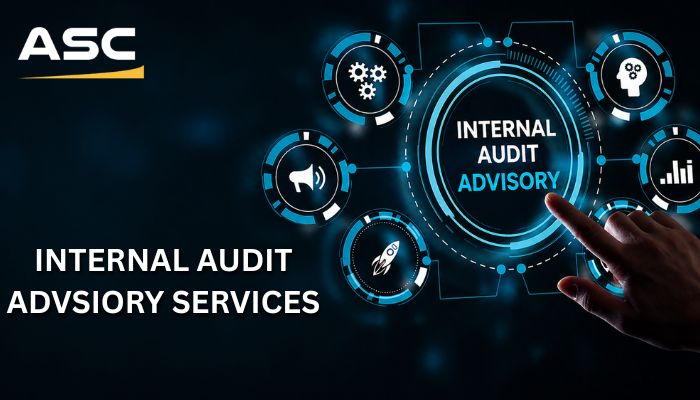
In today's fast-changing business environment, organizations face growing pressure to manage risk, maintain compliance, and operate efficiently. This is where Internal Audit Services play a critical role. Internal audits help businesses evaluate their financial processes, internal controls, and operational systems to identify weaknesses before they turn into costly problems.
As regulations tighten and business models grow more complex, companies increasingly rely on professional guidance to strengthen governance and decision-making. Rising fraud risks, evolving compliance mandates, and pressure from investors and lenders have made robust internal oversight a business necessity rather than a formality. Partnering with an experienced Internal Audit Consultant or one of the established Internal Audit Firms ensures that businesses not only meet compliance requirements but also improve overall efficiency. In this guide, we explore what internal audit services are, why they matter, and how the right audit partner can transform your organization's control environment.
What Are Internal Audit Services?
Internal audit services refer to an independent, systematic evaluation of an organization's financial records, operational processes, and internal controls. Unlike external audits, which primarily focus on verifying financial statements for stakeholders, internal audits are designed to help management understand how well the business is functioning from within.
The core objectives of internal audit services include assessing risk, evaluating the effectiveness of internal controls, ensuring regulatory compliance, and recommending process improvements. It's important to understand that internal audits are not just about finding problems — they are equally focused on improving processes. A good internal audit doesn't stop at identifying gaps; it provides actionable recommendations that help organizations become more efficient, resilient, and better governed.
Understanding internal audit applicability is also essential — internal audits apply not only to large corporations but also to growing businesses, startups, and regulated entities that need structured oversight of their operations and finances.
Importance of Internal Audit Services for Businesses
Internal audit services are no longer optional for businesses that want to stay competitive and compliant. Here's why they matter:
-
Strengthening internal controls: Regular audits help identify weak or outdated controls and recommend stronger safeguards against fraud and errors.
-
Identifying business risks: Internal audits proactively uncover operational, financial, and compliance risks before they escalate.
-
Improving operational efficiency: By reviewing workflows and processes, audits highlight inefficiencies and bottlenecks that can be corrected.
-
Ensuring compliance: With evolving regulatory requirements, internal audits help businesses stay aligned with applicable laws and industry standards.
-
Supporting better decision-making: Audit insights give leadership reliable, data-backed information to make informed strategic decisions.
Together, these benefits show why internal audit services have become a core function for organizations aiming for sustainable growth and strong governance.
Role of an Internal Audit Consultant
An experienced Internal Audit Consultant brings specialized expertise that goes beyond routine checklist reviews. Their role typically includes:
-
Risk assessment: Identifying and prioritizing risks across financial, operational, and compliance areas.
-
Internal control evaluation: Testing the design and effectiveness of existing controls to spot vulnerabilities.
-
Process improvement suggestions: Recommending practical changes to strengthen workflows and reduce inefficiencies.
-
Independent review and reporting: Delivering unbiased, objective findings that help management see the true state of operations.
Because consultants work independently of daily operations, they offer a fresh, unbiased perspective that internal teams may struggle to provide. This objectivity makes an internal audit consultant a valuable partner for management, audit committees, and boards seeking accurate insights into organizational performance.
Internal Audit Process: Step-by-Step Guide
A well-structured internal audit process ensures consistent, reliable results. Here's how it typically works:
-
Understanding business operations: Auditors begin by studying the company's structure, processes, and objectives to understand context.
-
Risk assessment: Key risk areas are identified and prioritized based on their potential impact on the business.
-
Audit planning: A detailed audit plan is developed, outlining scope, timelines, and resources required.
-
Data review and testing: Auditors examine financial records, transactions, and control systems, testing samples for accuracy and compliance.
-
Identifying gaps: Weaknesses, inefficiencies, or non-compliance issues are documented with supporting evidence.
-
Preparing audit reports: Findings are compiled into a clear report with practical recommendations for management.
-
Follow-up actions: Auditors track whether corrective measures have been implemented and assess their effectiveness over time.
This structured internal audit process ensures that businesses receive not just a list of problems, but a roadmap for continuous improvement.
Types of Internal Audit Services
Businesses can choose from several types of internal audit services depending on their specific needs:
|
Type of Audit |
Focus Area |
|
Financial Audit |
Accuracy of financial records and transactions |
|
Operational Audit |
Efficiency and effectiveness of business operations |
|
Compliance Audit |
Adherence to laws, regulations, and internal policies |
|
Risk-Based Audit |
Areas with the highest exposure to business risk |
|
IT Audit |
Security, controls, and reliability of IT systems |
|
Process Audit |
Consistency and effectiveness of specific business processes |
Each audit type addresses a different aspect of the business, and many organizations combine multiple audit types for comprehensive coverage.
Benefits of Hiring Professional Internal Audit Firms
Partnering with reputable Internal Audit Firms offers several advantages over relying solely on in-house resources:
-
Expert knowledge: Professional firms bring specialized skills and industry best practices.
-
Independent evaluation: External auditors provide unbiased assessments free from internal politics or blind spots.
-
Better risk identification: Firms with cross-industry experience often spot risks that internal teams may overlook.
-
Cost efficiency: Outsourcing avoids the overhead of maintaining a full-time, specialized audit department.
-
Improved governance: Professional oversight strengthens accountability and builds stakeholder confidence.
Many businesses today prefer internal audit outsourcing over building an in-house team, as it offers flexibility, access to specialized skills, and scalable support. Reputable internal audit companies and internal audit consulting firms provide internal audit consulting services tailored to different industries, along with internal audit outsourcing services that adapt as the business grows. These firms also offer broader internal audit advisory services, going beyond compliance to guide overall governance and risk strategy.
How to Choose the Right Internal Audit Consultant/Firm?
Selecting the right internal audit partner is a critical decision. Consider the following factors:
-
Industry experience: Choose a firm familiar with the regulatory and operational challenges of your sector.
-
Professional expertise: Look for certified professionals with proven audit and risk management credentials.
-
Customized approach: Avoid one-size-fits-all solutions; the firm should tailor its audit plan to your business.
-
Technology adoption: Firms using modern audit tools and data analytics deliver more accurate, efficient results.
-
Reputation: Check client testimonials, case studies, and industry recognition before finalizing a partner.
Taking time to evaluate these factors ensures that the internal audit consultant or firm you select becomes a long-term partner in strengthening governance, rather than a one-time compliance exercise.
Why Choose ASC Group for Internal Audit Services?
ASC Group is a trusted name offering comprehensive internal audit and internal audit advisory solutions to businesses across industries. With a team of experienced professionals, ASC Group combines deep regulatory knowledge with practical, industry-focused solutions tailored to each client's needs.
ASC Group's approach centers on proactive risk identification and strong compliance support, helping businesses build resilient internal control frameworks. Whether you need financial audits, operational reviews, or ongoing internal audit consulting services, ASC Group provides customized audit support designed to strengthen governance and drive long-term business performance.
Frequently Asked Questions (FAQs)
-
What are internal audit services? Internal audit services involve an independent review of an organization's financial records, controls, and operations to identify risks and recommend improvements.
-
Why hire an internal audit consultant? An internal audit consultant brings independent expertise, helping businesses identify risks, strengthen controls, and improve processes without internal bias.
-
How often should internal audits be conducted? This depends on business size and risk exposure, but most organizations benefit from audits conducted quarterly, semi-annually, or at least once a year.
-
What is the difference between internal audit and statutory audit? Internal audits are voluntary and management-focused, aimed at improving operations, while statutory audits are legally mandated reviews of financial statements for external stakeholders.
-
Can small businesses benefit from internal audits? Yes. Small businesses benefit significantly from internal audits, as they help identify inefficiencies and risks early, supporting sustainable growth.
-
How do internal audit firms improve business performance? Internal audit firms improve performance by identifying risks, strengthening controls, and providing actionable recommendations that enhance efficiency and compliance.
Conclusion
Internal audit services are essential for businesses seeking stronger controls, better risk management, and improved compliance. From identifying gaps to recommending practical improvements, a professional internal audit consultant or firm adds real value to your organization's governance framework.
If you're looking for a trusted partner to strengthen your internal audit function, ASC Group offers end-to-end internal audit and advisory solutions tailored to your business needs. Contact ASC Group today to schedule a consultation and take the first step toward stronger, more resilient business operations.
Internal Audit Advisory Services in India
FREQUENTLY ASKED QUESTIONS
Services focused on improving risk management, governance, and control processes through internal audit advisory services.
Yes, based on internal audit applicability criteria under the Companies Act, 2013.
Businesses should conduct the internal audits at equal intervals but it depends on the business types and its risk expectations.
Internal audit is conducted to improve the process of the organisation and statutory audit ensures that the organisations are financially compliant with the government regulations.
Depends on scope and complexity, especially when handled by internal audit consulting firms.
Leave a Reply