New Update : BIS Certification for Steel Industry is Extended
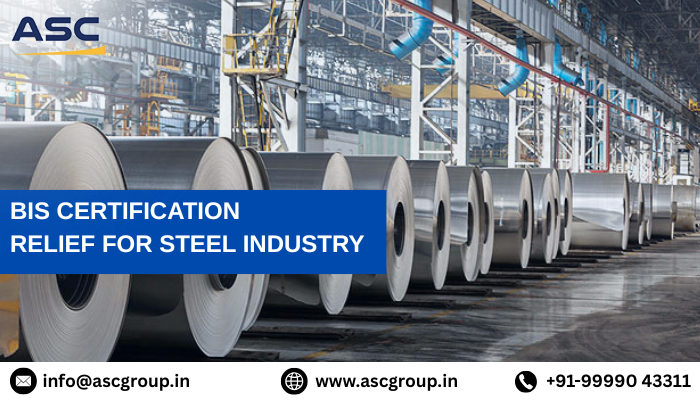
In the rapidly developing atmosphere in India, Indian Steel is playing a crucial role in manufacturing, infrastructure and construction sectors that also helps our nation to grow. The process of BIS Certification is important to maintain high stakes involved with quality and safety standards of it. However, the recent regulatory squeeze, especially the mandate that raw materials and finished steel products both need certification, created substantial operational challenges. The recently announced extension of relief for BIS registration offers some breathing room to the industry.
What is the relief it provides?
Early in 2025, the Bureau of Indian Standards released directives that required the finished steel goods as well as the raw materials or intermediate materials to be certified. Dual compliance rules increased the burden of manufacturers and imported goods. Three Indian Standards i.e. IS 6911 (stainless steel plates/sheets/strips), IS 5522 (stainless steel sheets/strips for utensils), and IS 15997 (stainless steel flat products for pressure vessels and boilers) came under the spotlight under this update.
Small and medium businesses (MSMEs) were hit by compliance costs, delays, and disruptions to their supply chains. The trade bodies demanded an immediate respite from the regulatory burden.
In response, in October 2025 the Ministry of Steel granted a temporary relief up to 31 December 2025. 202 licences of foreign manufacturers issued under the Steel Import Monitoring System (SIMS) portal, were also granted exemptions.
What has been done to help?
- The certificate requirement has been suspended for all inputs, including raw/intermediate and finished steel products until 31 December 2025.
- The exemption is applicable to stainless steel flats of the 200 and 300 series (IS 6911), IS 5522, IS 15097).
- SIMS has exempted 202 licences, which include suppliers from 16 different countries including Japan, Korea and Germany.
Why Relief Is Important
This extension of BIS Certification comes at a crucial time for the industry. The following are the key benefits.
- Raw material: With dual-certification suspended importers and manufactures can source raw materials with no delays.
- Cost relief: Both raw materials and finished goods are subject to high costs for testing and auditing. The temporary reprieve helps ease this burden.
- MSME support: Smaller companies, in particular those that lack labs and compliance infrastructures, can gain time.
- Strategic breathing room: This interim window gives businesses the opportunity to plan with BIS Consultants for future full standards compliance, rather than reacting under pressure.
Is this relief permanent or just a pause?
The relief has been welcome but it's important for businesses to treat it accordingly.
- The 31 December 2025 deadline has been clearly established. After that date, dual certification in full could be restored if no other action is taken.
- Industry observers warn against a return to dual certification without a phased implementation. The same disruptions could occur again, especially for MSMEs.
- Planning for the long term is concerned by the regulatory ambiguity.
Role of ASC Group
In this crucial junction, the role played by a specialist consultant becomes paramount. ASC Group offers comprehensive support that is tailored to the steel industry's changing needs in accordance with BIS Registration requirements. ASC Group offers value in the following areas:
- Assessing the impact of regulations: This helps steel companies understand whether or not their raw materials and products fall under BIS Quality Control Orders and what standards apply.
- Planning: ASC Group develops a road map for compliance.
- Alignment between the vendor and supply chain: Raw material suppliers must provide relevant test results and production documentation to ensure that certification can be reinstated without any bottlenecks.
- Continual monitoring: Tracking future regulatory updates to help manufacturers prepare for the introduction of new certification schemes or phased-in implementation.
What Should Steel Companies Do Now?
To take advantage of this temporary exemption and to prepare for the upcoming standards, steel companies must:
- Conduct a product portfolio audit to identify the materials and finished goods covered by BIS Standards and QCO List.
- ASC Group is a BIS Consultant that can create a realistic timetable for compliance, even within the extended period.
- Upgrade quality systems, invest in lab testing capacity, audits of factories, document control and traceability so that they will be compliant when full certification resumes.
- Enhance supplier documentation - ensure that all inputs have the correct reports and vendor support in order to avoid disruptions.
- Be alert and adaptable because regulatory frameworks could change, so this period of relief should be used as a preparation for future changes.
Conclusion.
The extension of BIS Certification Relief provides a much needed pause to the steel industry. It provides flexibility in operations, cost reduction, and breathing space to plan for compliance. But this reprieve doesn't mean you can delay planning for compliance. Instead, it is an opportunity.
ASC Group offers expert consulting services that can help steel importers and manufacturers turn this temporary relief into a competitive advantage. They can ensure a smooth transition from BIS Registration to full registration. This will improve product quality, ensure compliance and maintain market leadership in India’s rapidly growing steel industry.
Leave a Reply